Unlocking the Secrets of Drought-Resistant Landscaping: Thrive Amidst Climate Challenges Mar 30, 2026
The first step in developing a drought-resistant landscape is selecting the right plants. Opt for native plants that are adapted to your climate's moisture and soil conditions. These plants require less water and are generally more resistant to local pests and diseases. Examples of drought-tolerant options include lavender, succulents, and Russian sage. Incorporating a variety of textures and colors will add visual interest and diversity to your landscape while ensuring you remain water-wise.
Effective water management is paramount in drought-resistant landscaping. Utilize drip irrigation systems and soaker hoses, which minimize evaporation by delivering water directly to the plant roots. Schedule watering during the early morning or late evening to reduce water loss due to evaporation. Consider installing a rainwater harvesting system to capture natural precipitation. This system not only saves water but can significantly reduce your utility bills over time.
Soil health plays a crucial role in maintaining a robust landscape. Improve your soil by integrating organic materials like compost or mulch. This enhances soil structure, promotes moisture retention, and provides essential nutrients to plants. Mulch also acts as a protective layer against soil erosion and extreme temperatures. A consistent depth of about two to three inches is ideal for most garden beds.
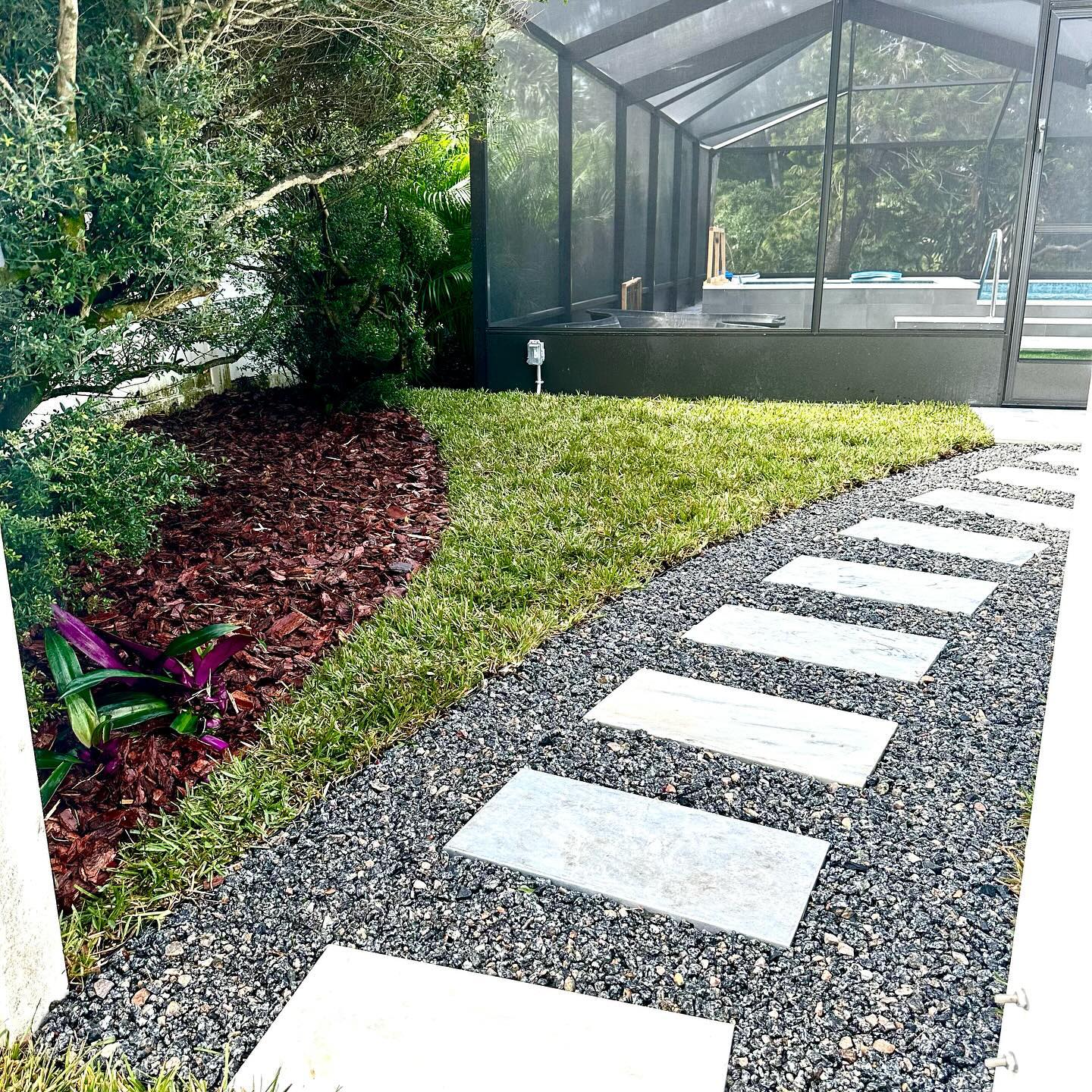
Designing with permeable materials can further enhance your drought-resistant landscape. Use gravel, permeable pavers, or decomposed granite for pathways and patios. These materials allow water to penetrate through to the subsoil, recharging local groundwater reserves. Plus, they reduce runoff and erosion, maintaining the integrity of your landscape over time.
Incorporating hardscapes is another effective strategy for a low-water landscape. Hardscapes such as rock gardens, stone pathways, and attractive seating areas not only reduce the total area of your lawn but also add functionality and aesthetic appeal. Consider features like fire pits or shaded pergolas to create inviting outdoor living spaces that also support your water conservation efforts.
Regular maintenance is key to ensuring your drought-resistant landscape remains healthy and vibrant. Pruning plants encourages growth and removes any diseased or damaged parts. Regularly inspecting your irrigation system for leaks and blockages prevents water wastage. Consistent care allows your landscape to adapt and grow stronger in the face of climatic challenges.
Finally, consulting with landscaping professionals can provide additional insights and expertise. Companies like GS Lawn & Landscape offer tailored advice and services to help you craft a sustainable, beautiful lawn that supports local ecology and withstands drought conditions.
In conclusion, drought-resistant landscaping is not just about surviving harsh conditions; it's about thriving and creating an environment that reflects resilience and resourcefulness. By selecting native plants, managing water efficiently, improving soil health, and incorporating hardscapes, you can transform your landscape into a picturesque yet sustainable haven. Whether you're starting from scratch or revitalizing an existing lawn, unlocking the secrets of drought-resistant landscaping is a valuable step toward eco-friendly yard care.
/filters:no_upscale()/filters:format(webp)/media/b5e80b59-0dbe-4311-8f0e-4e36d6bd5dc8.jpeg)
/filters:no_upscale()/filters:format(webp)/media/d7dd257f-35a0-48fb-bda3-6888d8cd1f1d.jpeg)