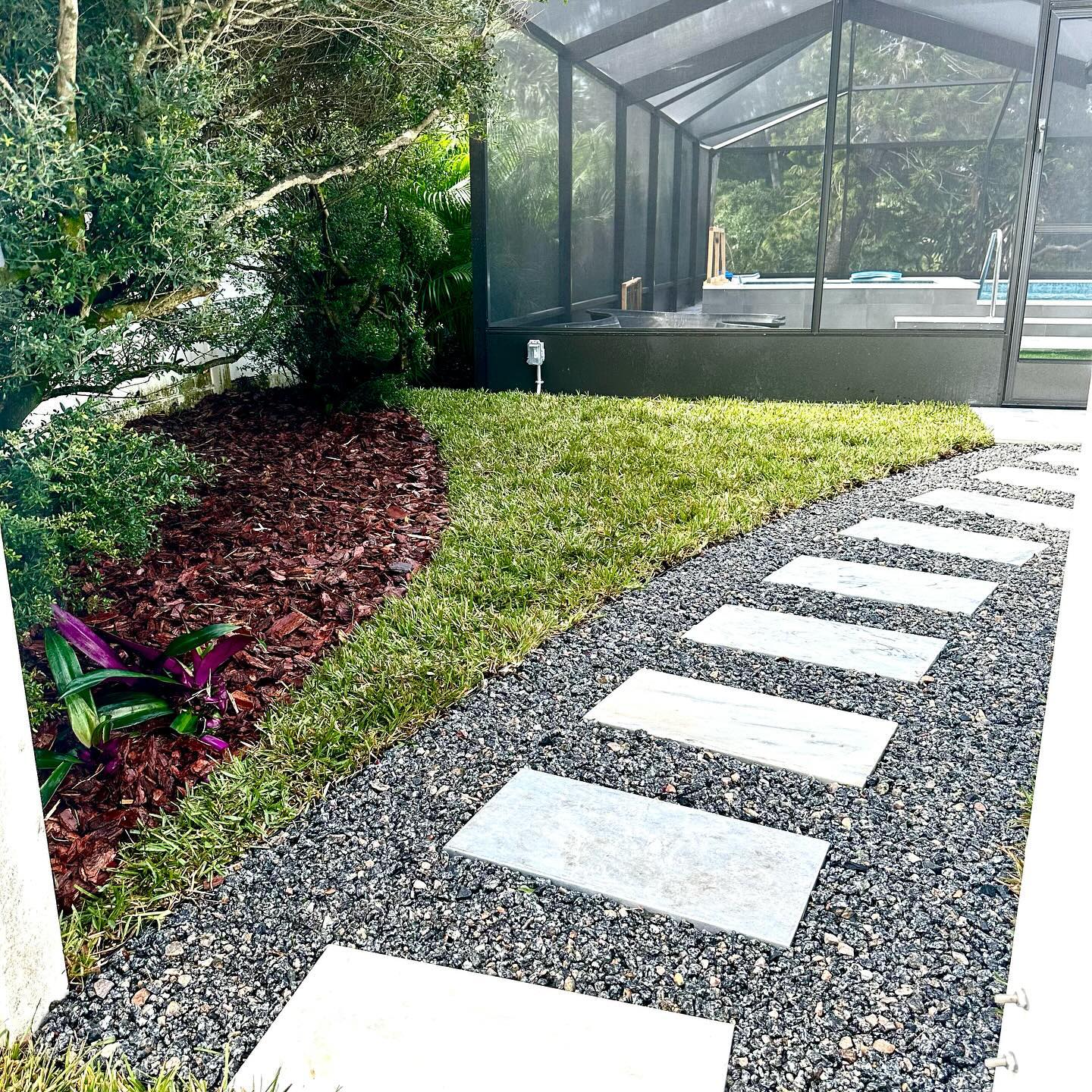
Rain Gardens 101: Designing Landscapes that Manage Stormwater Naturally Jun 18, 2026
Rain gardens are strategically designed to capture and manage runoff water from impervious surfaces like roofs, driveways, and patios. By incorporating a rain garden into your landscape, you can effectively reduce stormwater pollution and replenish local groundwater supplies. Unlike traditional gardens, rain gardens use native and deep-rooted plants that naturally absorb and filter rainfall, thus harnessing the natural flow of water to your lawn’s advantage.
Design plays a critical role in the effectiveness of your rain garden. Selecting the right location is the first step. Typically, these gardens are positioned downhill from a runoff source, such as a roof gutter. It's crucial to ensure the site you choose can effectively drain within a day to avoid standing water issues. Proper drainage not only supports plant health but also prevents mosquito breeding grounds.
When it comes to the construction of a rain garden, size matters. The garden should ideally be about a third of the size of the hard surface area generating runoff. The soil type will determine the required depth, with clayey soils needing a deeper basin compared to sandy soils which drain more efficiently. Incorporating a mix of soil, sand, and compost in your rain garden helps ensure adequate absorption and water retention.
Selecting the right mix of plants is essential. Native plants are highly recommended for rain gardens because they are adapted to local conditions and provide habitat for local wildlife. Consider including species such as blue flag iris, switchgrass, and goldenrod, which thrive in wetter conditions and help with erosion control. These plants not only fortify the ecosystem but also bring vibrant colors and textures to your garden.
Maintenance is key to ensuring your rain garden remains effective and attractive. This involves routine tasks such as removing weeds, managing pests organically, and monitoring the growth of plants to ensure they are thriving as expected. Mulching can be particularly beneficial in maintaining soil moisture and suppressing weed growth.
Rain gardens offer multiple benefits beyond aesthetic appeal. They contribute to the reduction of stormwater runoff, decrease soil erosion, and enhance water quality by filtering pollutants naturally. By implementing a rain garden, you are making a positive impact on the environment while adding a functional landscape feature to your property.
In conclusion, rain gardens serve as an effective natural solution to managing stormwater on your property. At GS Lawn & Landscape, we support you in your endeavors to make environmentally responsible choices that improve your landscape's health and appeal. Whether you are looking to conserve water, reduce your environmental footprint, or simply beautify your garden, a rain garden could be the perfect addition to your landscape. If you're interested in discovering more or need assistance with rain garden installation, reach out to us for expert guidance and support.
/filters:no_upscale()/filters:format(webp)/media/b5e80b59-0dbe-4311-8f0e-4e36d6bd5dc8.jpeg)
/filters:no_upscale()/filters:format(webp)/media/d7dd257f-35a0-48fb-bda3-6888d8cd1f1d.jpeg)