Mastering the Art of Xeriscaping: Water-Wise Landscaping Solutions Mar 02, 2026
With increasing awareness of environmental issues, xeriscaping has gained popularity for its efficient water use practices. At its core, xeriscaping is designed to significantly reduce the need for irrigation through a careful selection of drought-tolerant plants and thoughtful landscape planning. This approach not only saves water but also cuts down on maintenance time and costs by reducing the need for fertilizers and pesticides.
First, it’s important to assess your yard's specific conditions before diving into xeriscaping. Start by analyzing factors such as sunlight, soil type, and existing vegetation. This initial examination will guide you in choosing the right plants that naturally thrive in your local environment, thereby minimizing additional water requirements. Drought-resistant plants such as succulents, lavender, and ornamental grasses are excellent choices that offer vibrant colors and textures.
Incorporating a variety of plants with different blooming seasons can keep your landscape lively and colorful throughout the year. Strategically place taller plants to act as windbreaks and use groundcovers to stabilize soil and prevent erosion. These adjustments not only enhance the visual appeal of your garden but also foster a more stable and hospitable environment for flora and fauna alike.
Efficient irrigation systems are crucial in xeriscaping. Drip irrigation is highly recommended as it delivers water directly to the plant's roots, reducing evaporation and ensuring that water is used judiciously. For even greater conservation, consider using rain barrels to collect rainfall, providing an additional water source for your landscape during drier periods.
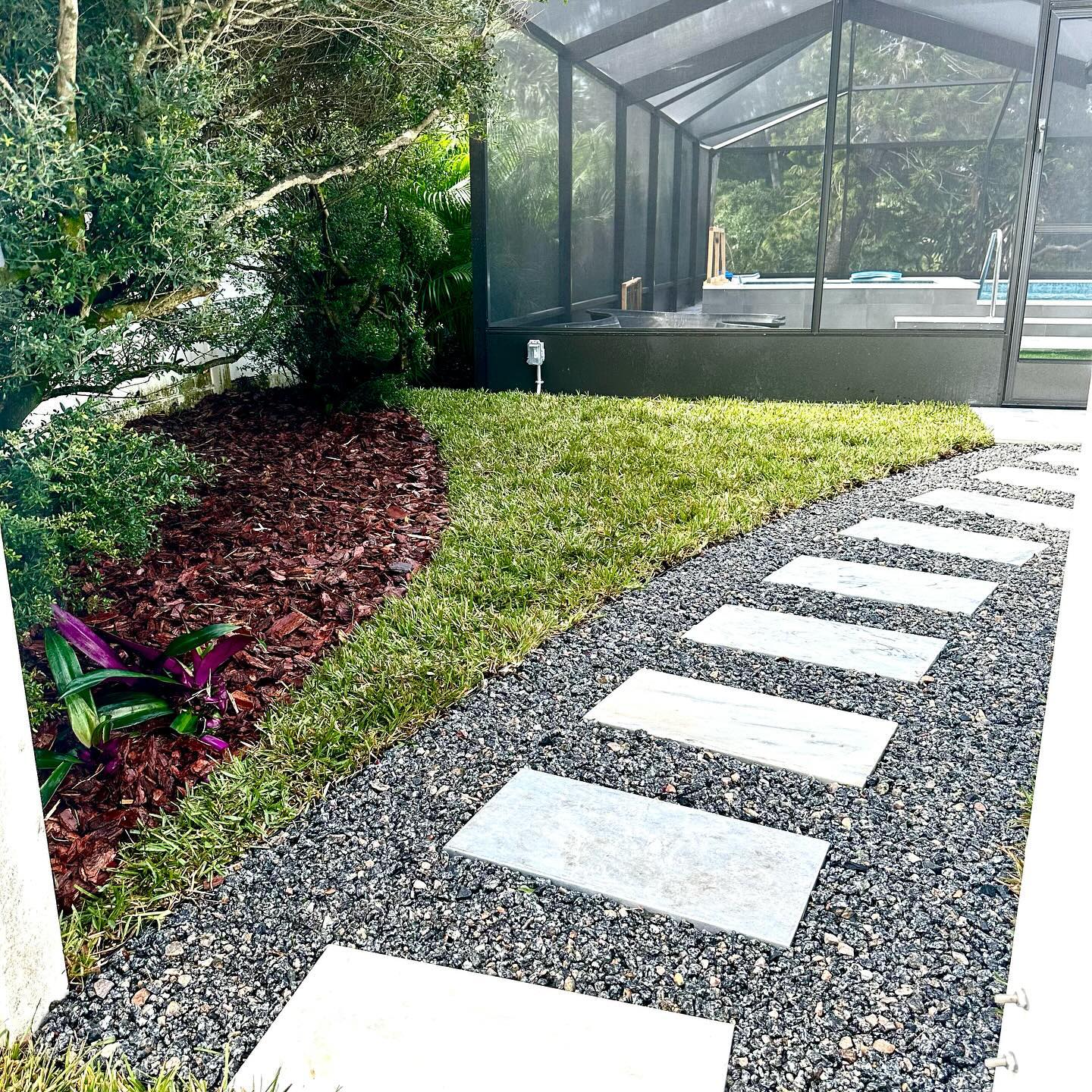
The use of mulch is another essential component of xeriscaping. Applying a layer of mulch around your plants helps retain soil moisture, suppresses weed growth, and adds organic material to your soil as it breaks down. Consider natural options such as wood chips or pebbles for both function and aesthetics.
In addition to enhancing curb appeal and reducing your water bill, xeriscaping can elevate the ecological value of your garden. By choosing native plants, you provide necessary habitats for local wildlife, including pollinators such as bees and butterflies. This contributes to the overall biodiversity and resilience of your local ecosystem.
Concluding your journey into xeriscaping means embracing a sustainable lifestyle choice that benefits both you and the environment. At GS Lawn & Landscape, we are passionate about helping you create a landscape that is not only beautiful but also conscientious. By making water-wise choices in your landscaping, you contribute to a healthier planet while enjoying the serene beauty of a well-designed garden.
Incorporating xeriscaping into your landscape doesn’t have to be daunting. With careful planning and guidance from experts at GS Lawn & Landscape, you can craft a beautiful, low-maintenance garden that thrives with minimal water usage. Adapt these tips and embark on a path towards a more sustainable and aesthetically pleasing yard.
/filters:no_upscale()/filters:format(webp)/media/b5e80b59-0dbe-4311-8f0e-4e36d6bd5dc8.jpeg)
/filters:no_upscale()/filters:format(webp)/media/d7dd257f-35a0-48fb-bda3-6888d8cd1f1d.jpeg)