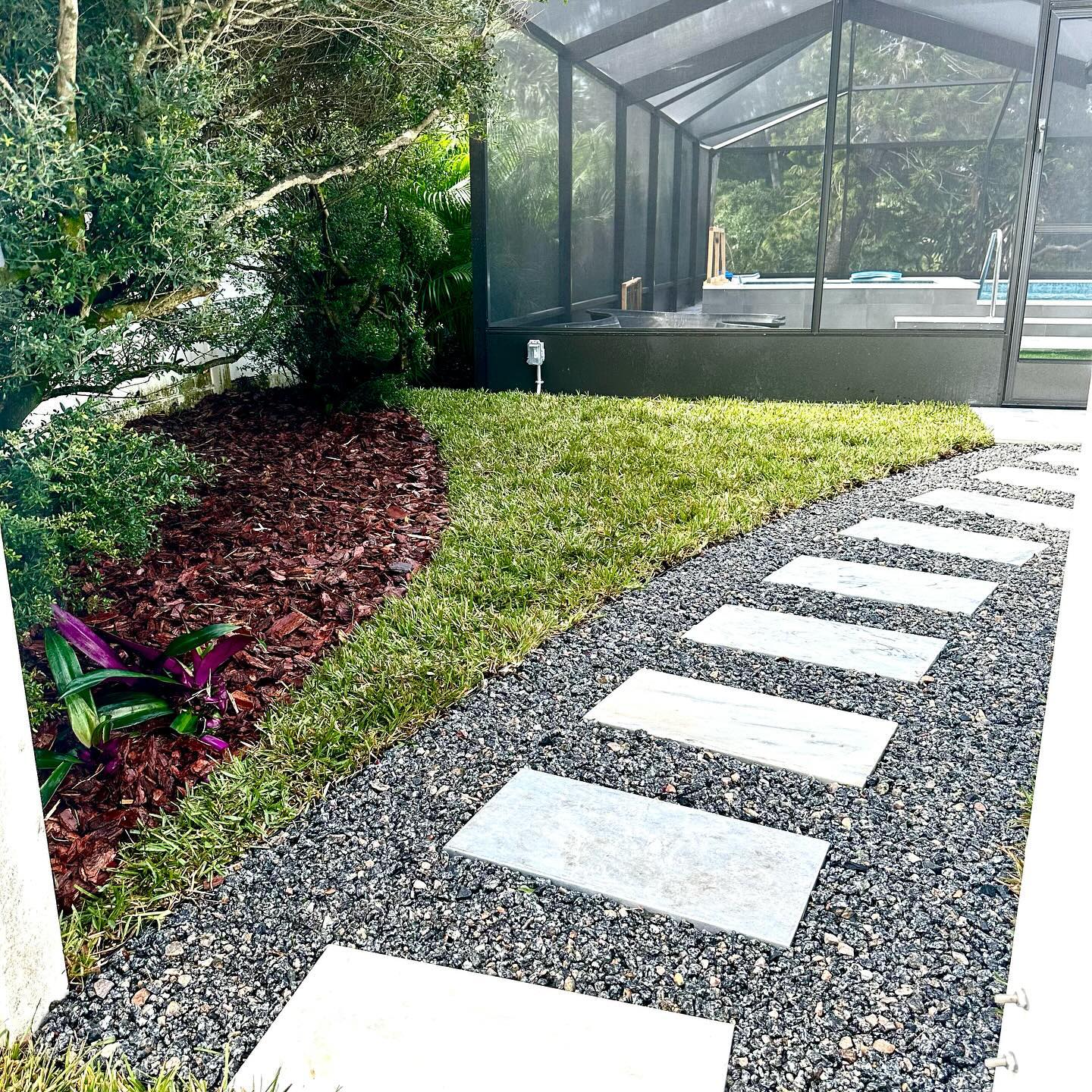
Expert Recommendations for Enhancing Soil Health and Lawn Resilience Jan 02, 2026
First, it is crucial to assess your soil's current condition. Conducting a soil test provides valuable insights into the nutrient composition, pH levels, and organic matter content. This foundational step guides you in customizing your soil treatment plan, ensuring that any actions taken directly address existing deficiencies. GS Lawn & Landscape recommends conducting a soil test at least once a year to monitor changes in soil health and make informed decisions.
Having established baseline soil health, the next step is to incorporate organic matter. Composting is an excellent way to enhance organic content, thereby improving soil structure, moisture retention, and nutrient availability. Compost can be spread thinly across the lawn or integrated during reseeding. Regular mulching of grass clippings is another effective method; as they decompose, they naturally add valuable organic matter back into the soil.
Do not overlook the importance of aeration. Over time, soil compaction restricts root growth, inhibits water infiltration, and limits essential nutrient uptake. By aerating your lawn, particularly in compacted areas, you allow roots to expand deeper into the ground, promoting healthier and more resilient grass. Consider aerating your lawn at least once a year, usually in the fall or spring when grass growth is most vigorous.
Watering practices also play a pivotal role in soil health. Many homeowners mistakenly overwater their lawns, leading to shallow root systems and increased susceptibility to disease. At GS Lawn & Landscape, we advise on implementing a deep and infrequent watering schedule. This encourages grass to develop deep roots by seeking water and nutrients deeper in the soil, thus fostering a robust and drought-resistant lawn.
Fertilizing is another key consideration. Organic fertilizers are preferable as they provide a slow and steady release of nutrients, minimizing the risk of over-fertilization and environmental runoff. When choosing fertilizers, consider products with a balanced ratio of nitrogen, phosphorus, and potassium, tailored to your lawn's specific needs as identified by your soil test.
Finally, embrace diversity within your lawn. Introducing a mix of grass species can significantly enhance lawn resilience. Different grasses offer varied strengths, such as drought tolerance or disease resistance, reducing the likelihood of complete lawn failure in adverse conditions. The experts at GS Lawn & Landscape can guide you in selecting the right blends for your particular climate and soil type.
In conclusion, enhancing soil health and lawn resilience requires a strategic approach that combines soil assessment, organic matter incorporation, aeration, proper watering, and balanced fertilization. By adopting these practices, you'll cultivate a vibrant lawn that stands the test of time. Whether you're seeking guidance on initiating these steps or require professional services, GS Lawn & Landscape is here to assist in achieving your lawn care goals. Transform your lawn into a thriving, resilient landscape and enjoy the satisfaction of a healthy, green oasis right at your doorstep.
/filters:no_upscale()/filters:format(webp)/media/b5e80b59-0dbe-4311-8f0e-4e36d6bd5dc8.jpeg)
/filters:no_upscale()/filters:format(webp)/media/d7dd257f-35a0-48fb-bda3-6888d8cd1f1d.jpeg)