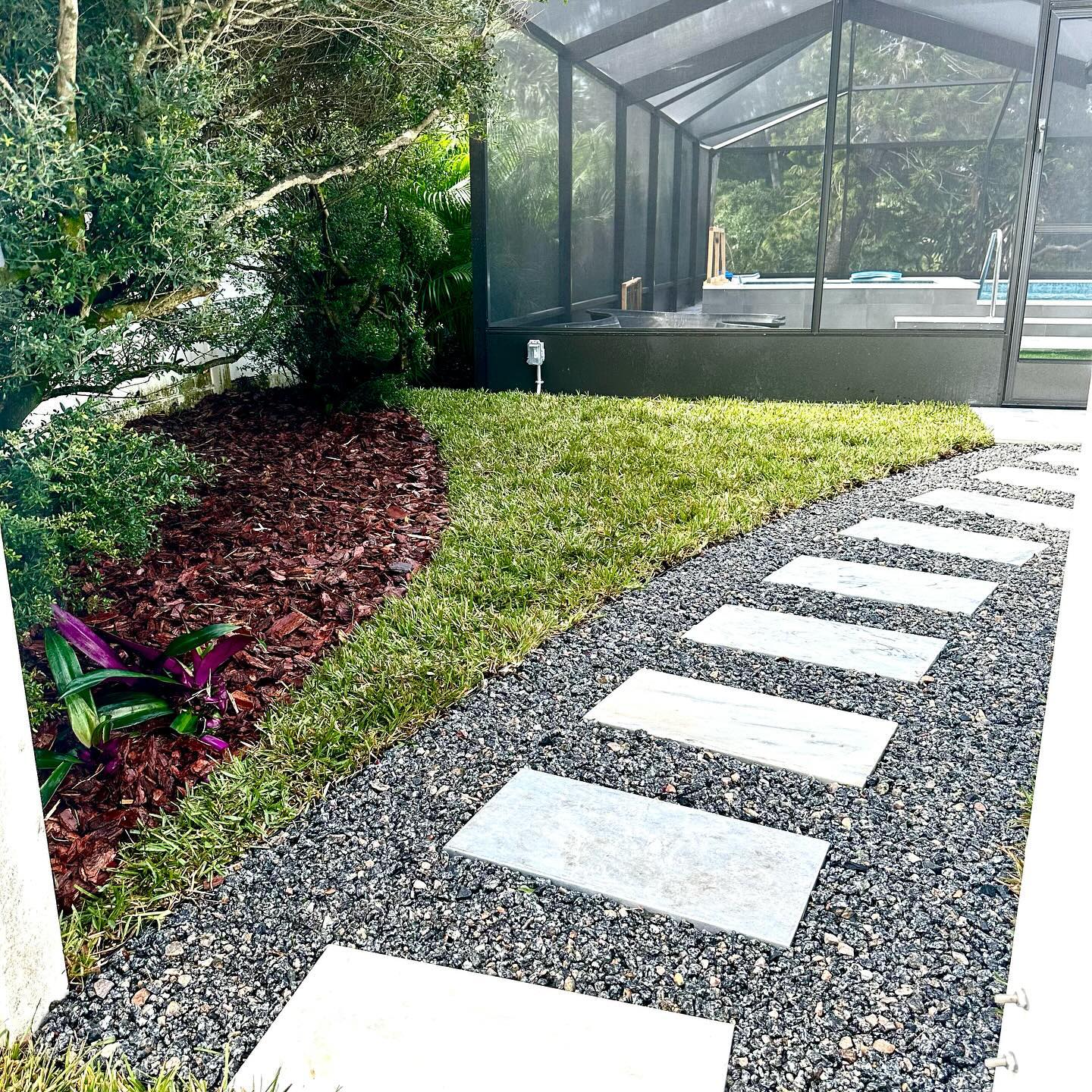
Achieving a Thriving Garden: Expert Insights on Long-Term Lawn and Landscape Success Feb 11, 2026
To lay a strong foundation for your garden, start by understanding your soil. Healthy soil is the cornerstone of a lush garden, so conducting a soil test can reveal vital information about its pH levels and nutrient composition. Once you understand your soil's needs, you can choose the right amendments. Adding organic materials like compost or well-rotted manure can improve soil structure, enhance moisture retention, and boost nutrient availability, fostering a supportive environment for plant growth.
Choosing the right plants is equally important. Opt for native and adaptive plants that suit the local climate and soil conditions. Native plants are naturally resilient to local pests and diseases, reducing maintenance efforts. Their deeper root systems help prevent soil erosion and promote nutrient cycling, offering a sustainable future for your landscape.
Irrigation requires precision and care, as improper watering can lead to problems like root rot or drought stress. Consider investing in a smart irrigation system that adjusts watering schedules based on weather patterns. Additionally, practice deep watering techniques to encourage deep root growth, which will make your plants more resilient to dry spells.
Regular maintenance is key to promoting a healthy lawn and landscape. This includes consistent mowing, edging, and pruning to shape your space and remove dead or diseased plant material. A well-manicured lawn not only looks appealing but also supports overall plant health. When mowing, keep grass blades at an optimal height to encourage photosynthesis and root growth. Grass clippings can be left on the lawn as natural mulch, returning nutrients to the soil.
Integrated Pest Management (IPM) is a holistic approach to pest control, emphasizing preventive measures and natural solutions. Encouraging beneficial insects like ladybugs or lacewings can naturally reduce pest populations. When intervention is necessary, choose environmentally friendly products that minimize risk to non-target organisms and the surrounding ecosystem.
Seasonal care routines offer opportunities to refresh and strengthen your garden. In the fall, consider aerating your lawn to alleviate soil compaction and enhance root penetration. Follow this with a layer of organic mulch to conserve moisture and moderate soil temperatures during winter. Spring signals a period of rejuvenation where overseeding and fertilization can boost grass coverage and density.
Lastly, embrace sustainable practices. Composting kitchen scraps and yard waste reduces landfill contributions and provides nutrient-rich compost for your garden. Consider installing rain barrels to collect and conserve rainwater, promoting resource efficiency and providing an eco-friendly water source for irrigation.
In wrapping up, a thriving garden is the result of informed planning and consistent care. By understanding the unique needs of your soil and plants, employing smart irrigation strategies, and integrating sustainable practices, you can transform your garden into a sanctuary of beauty and vitality. At GS Lawn & Landscape, we are committed to guiding you every step of the way, offering expertise and services designed to enhance and maintain your green haven. Whether you're tackling a small backyard or a sprawling estate, these insights will empower you to nurture your landscape into a thriving, sustainable success.
/filters:no_upscale()/filters:format(webp)/media/b5e80b59-0dbe-4311-8f0e-4e36d6bd5dc8.jpeg)
/filters:no_upscale()/filters:format(webp)/media/d7dd257f-35a0-48fb-bda3-6888d8cd1f1d.jpeg)