A Guide to Sustainable Lawn Care: Eco-Friendly Tips for a Greener Yard Dec 19, 2025
To begin with, it's important to select the right grass for your lawn. Opt for native grass species that are naturally adapted to the local climate and soil conditions. These varieties require less water and fertilizers compared to non-native species, thereby reducing the resources needed for maintenance. Additionally, native grasses are more resistant to pests and diseases, minimizing the need for chemical interventions.
Water conservation is another crucial aspect of sustainable lawn care. Implementing efficient irrigation systems like drip or soaker hoses can significantly reduce water usage. Ensure that your sprinkler system is properly calibrated to prevent overwatering, which not only wastes water but also leads to unhealthy grass and soil compaction. Watering your lawn early in the morning or late in the afternoon will minimize evaporation, ensuring that more water reaches the roots.
Fertilization is necessary for a thriving lawn, but excessive use of chemical fertilizers can harm the environment. Instead, consider organic alternatives that enrich the soil without polluting it. Composting kitchen scraps and yard waste is an excellent way to create nutrient-rich compost for your lawn. This natural fertilizer promotes soil health, supports beneficial microorganisms, and reduces the need for chemical treatments.
Moreover, mowing practices play a significant role in sustainable lawn care. Keeping your grass at a higher length can reduce stress, encourage deeper root systems, and improve drought tolerance. Instead of collecting clippings, leave them on the lawn to decompose and act as a natural fertilizer. This practice, known as grasscycling, returns valuable nutrients to the soil and reduces yard waste.
Pest control can be effectively managed through integrated pest management (IPM), which emphasizes the use of natural predators and organic solutions over chemical pesticides. Encouraging beneficial insects like ladybugs and lacewings can help control pest populations naturally. Additionally, maintaining a healthy lawn free from excessive fertilizer and water will discourage the growth of weeds, reducing the necessity for herbicides.
Creating biodiversity within your yard by introducing various plants alongside your lawn can further enhance its sustainability. Incorporate native trees, shrubs, and flowering plants to provide habitats for pollinators such as bees and butterflies. These additions not only increase biodiversity but also add visual interest and beauty to your landscape.
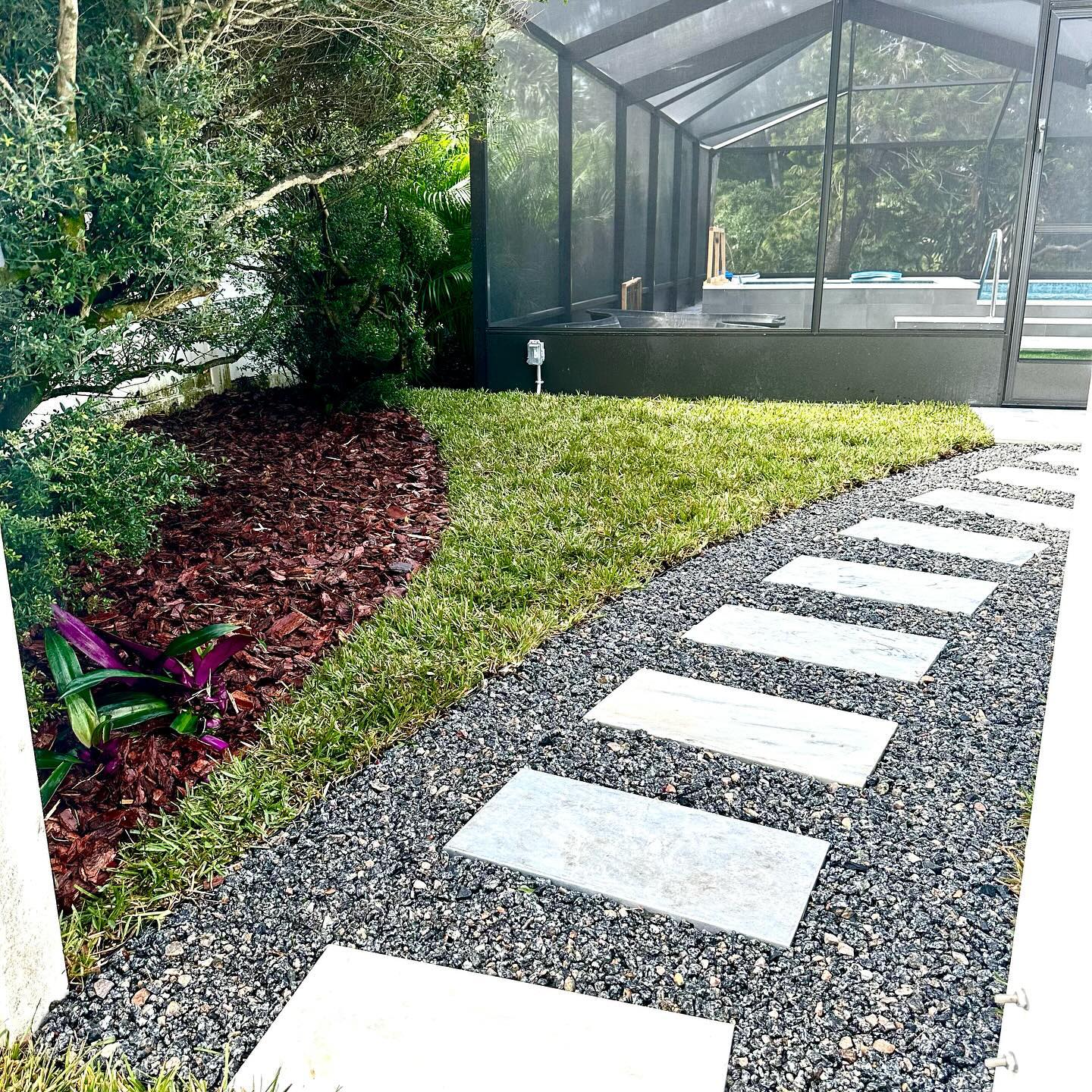
Finally, consider replacing sections of your lawn with hardscapes or xeriscapes, which incorporate drought-tolerant plants and reduce the need for irrigation. Hardscaping with permeable materials like gravel or stone also aids in reducing water runoff and promoting groundwater recharge.
At GS Lawn & Landscape, we believe that every homeowner can contribute to a healthier planet. By implementing these eco-friendly lawn care practices, you can enjoy a vibrant and sustainable yard that benefits both you and the environment. Together, let’s cultivate a greener future.
/filters:no_upscale()/filters:format(webp)/media/b5e80b59-0dbe-4311-8f0e-4e36d6bd5dc8.jpeg)
/filters:no_upscale()/filters:format(webp)/media/d7dd257f-35a0-48fb-bda3-6888d8cd1f1d.jpeg)